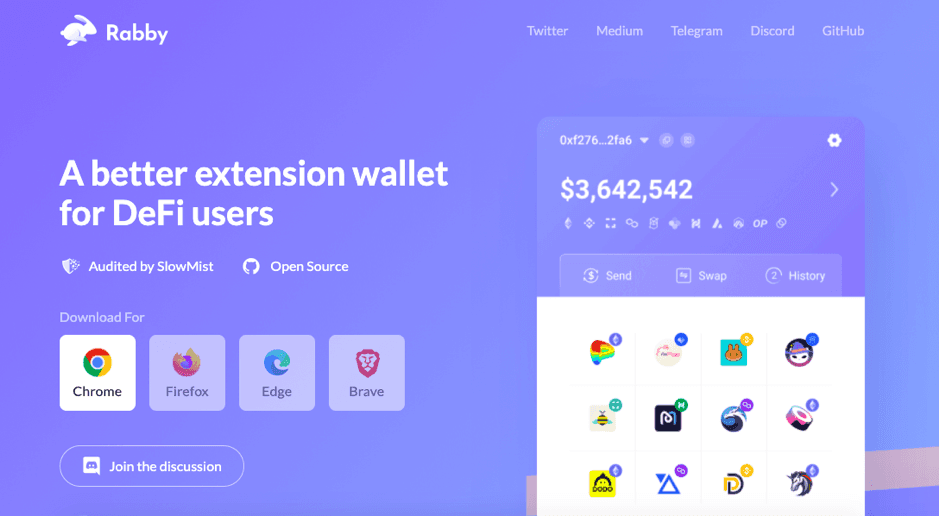
Rabby Wallet: A Smarter Way to Explore Web3 Across Every Chain
The Web3 ecosystem has evolved from a single-chain environment into a diverse network of dozens of blockchains, cross-chain protocols, and decentralized applications that require smooth navigation. Yet, most early wallets were not designed for this kind of multi-chain world. They leave users switching networks manually, signing confusing transactions, and dealing with approvals they don’t fully understand.
Rabby Wallet, built by the DeBank team, introduces a fresh approach. Instead of acting like a simple key manager, Rabby behaves like an intelligent guide that helps you move across chains, sign safely, and understand exactly what your actions mean before they touch the blockchain. Its design solves the biggest pain points Web3 users face daily.
Below is a new in-depth overview of Rabby Wallet—its role, capabilities, and why it’s becoming a preferred tool for both beginners and advanced DeFi users.
What Is Rabby Wallet?
Rabby Wallet is a multi-chain, non-custodial Web3 browser extension that focuses on clarity, safety, and automation. Unlike traditional wallets, Rabby does more than store keys and sign messages—it interprets transactions, simulates outcomes, and identifies risks before you confirm anything.
It’s built for the realities of modern blockchain activity:
Multiple chains
Deep smart contract interactions
Frequent swaps and staking actions
Complex DeFi platforms
Rabby’s goal is to simplify this complexity without sacrificing user control.
Why Rabby Wallet Stands Out
Most wallets display cryptic transaction data like hex strings, raw gas values, or unreadable contract calls. Rabby changes that with a user-friendly, predictive system that explains every step.
Here’s why users consider it a next-generation wallet:
1. Automated Chain Selection for Frictionless Web3
When you visit a decentralized application, Rabby automatically reads which blockchain it uses and switches networks accordingly.
The advantages include:
No more manual chain switching
No more failed transactions due to incorrect networks
Faster interaction with multi-chain dApps
This alone saves significant time for anyone using more than one blockchain regularly.
2. Transaction Previews That Make Sense
One of Rabby’s biggest strengths is its clear signing panel. Before you approve any transaction, Rabby breaks it down in simple terms.
For every transaction, you’ll see:
Which tokens will be added or removed
Whether your balance will increase or decrease
If you’re granting a contract permission
Potential hidden operations
The financial impact after the transaction executes
This eliminates guesswork and helps users avoid costly errors.
3. Real-Time Transaction Simulation
Before sending a transaction to the blockchain, Rabby simulates the results and shows you exactly what will happen.
Simulation detects issues like:
Unintended token losses
Suspicious contract behavior
Transfers going to unknown addresses
Hidden interactions inside multi-call operations
It’s one of the strongest safeguards available in a Web3 wallet.
4. Detailed Approval and Permission Control
Token approvals are a major attack vector in DeFi. Rabby gives you direct visibility into all existing permissions and allows you to remove them with a click.
You can manage:
Unlimited approvals
Spending limits
Contract permissions per chain
Historical approvals
This gives you long-term control and reduces vulnerability to malicious dApps.
Wallet Features Designed for Modern Web3 Use
Rabby comes with a number of advanced capabilities that make it more powerful than basic Web3 wallets.
1. Multi-Chain Asset Display
Your portfolio is organized across all supported chains in a single unified dashboard.
It includes:
Tokens
NFTs
Liquidity pool positions
Staked assets
Pending rewards
No need to switch networks to see where your assets are located.
2. Smooth NFT Management
Rabby displays NFTs with:
High-quality previews
Collection grouping
Chain-based organization
Metadata visibility
Collectors enjoy a visually structured display instead of cluttered token lists.
3. Gas Fee Tools for Better Cost Control
Rabby shows:
Real-time gas rates
Estimated transaction fees
Custom gas setting options
Mode choices (slow, normal, fast)
This helps users avoid overpaying during busy network periods.
4. Multiple Wallet Support
You can:
Import seed phrases
Create new accounts
Label each wallet
Connect hardware wallets
Advanced users with several wallets benefit from Rabby’s organization.
5. dApp Connection Management
Rabby keeps track of:
Which sites you’ve connected to
What permissions each dApp has
Risk levels of connected dApps
You can disconnect or revoke access at any time.
Security Architecture Behind Rabby Wallet
Security is central to Rabby’s design.
1. Local Key Encryption
Private keys never leave the user’s device.
2. Smart Risk Warnings
Rabby analyzes contract actions and warns users of suspicious behaviors.
3. Simulation Layer Protection
Prevents malicious or inaccurate transactions.
4. Hardware Wallet Integration
Supports Ledger, Trezor, Keystone, GridPlus, and more.
5. Open-Source Transparency
Key components are available for public review.
Rabby’s combination of clarity and predictive analysis makes it one of the safest hot wallets available.
How Rabby Compares to Other Web3 Wallets
Rabby vs MetaMask
Rabby offers automatic chain switching; MetaMask does not
Rabby simulates transactions; MetaMask gives technical details
Rabby manages approvals directly; MetaMask needs extra tools
MetaMask has a mobile app; Rabby is extension-only
Rabby vs Trust Wallet
Rabby is built for DApp interaction and DeFi clarity
Trust Wallet is mobile-first with broad token support
Rabby provides stronger transaction analysis
Rabby vs Phantom
Phantom is optimized for Solana
Rabby is optimized for multi-chain EVM environments
Rabby’s audience is primarily users active in multi-chain DeFi.
Who Should Use Rabby Wallet?
1. DeFi Traders
Its risk detection and simulation help prevent costly mistakes.
2. Multi-Chain Users
Anyone using Ethereum, Arbitrum, Base, Optimism, or Polygon will find Rabby’s auto-switching invaluable.
3. NFT Collectors
Rabby’s clean layout simplifies multi-chain NFT viewing.
4. Users Concerned About Safety
Simulation and approval management reduce exposure to scams.
5. Hardware Wallet Owners
Rabby provides seamless integration with cold storage.
Limitations to Consider
1. No Mobile App
Rabby is currently browser-based only.
2. Not Compatible With Every dApp
Although widely supported, some platforms still default to MetaMask.
3. Advanced Tools May Intimidate New Users
The detailed breakdowns can feel overwhelming at first.
Final Thoughts: Rabby Wallet Is Built for Today’s Web3 Reality
Rabby Wallet isn’t just a modern alternative—it’s a forward-thinking upgrade that adapts to the multi-chain, high-speed environment Web3 has become. With automatic chain switching, transaction previews, and safety simulations, Rabby provides the clarity and protection that crypto users have lacked for years.
Whether you’re exploring dApps, trading on decentralized exchanges, or managing assets across several blockchains, Rabby delivers a smoother, safer, and smarter experience.